

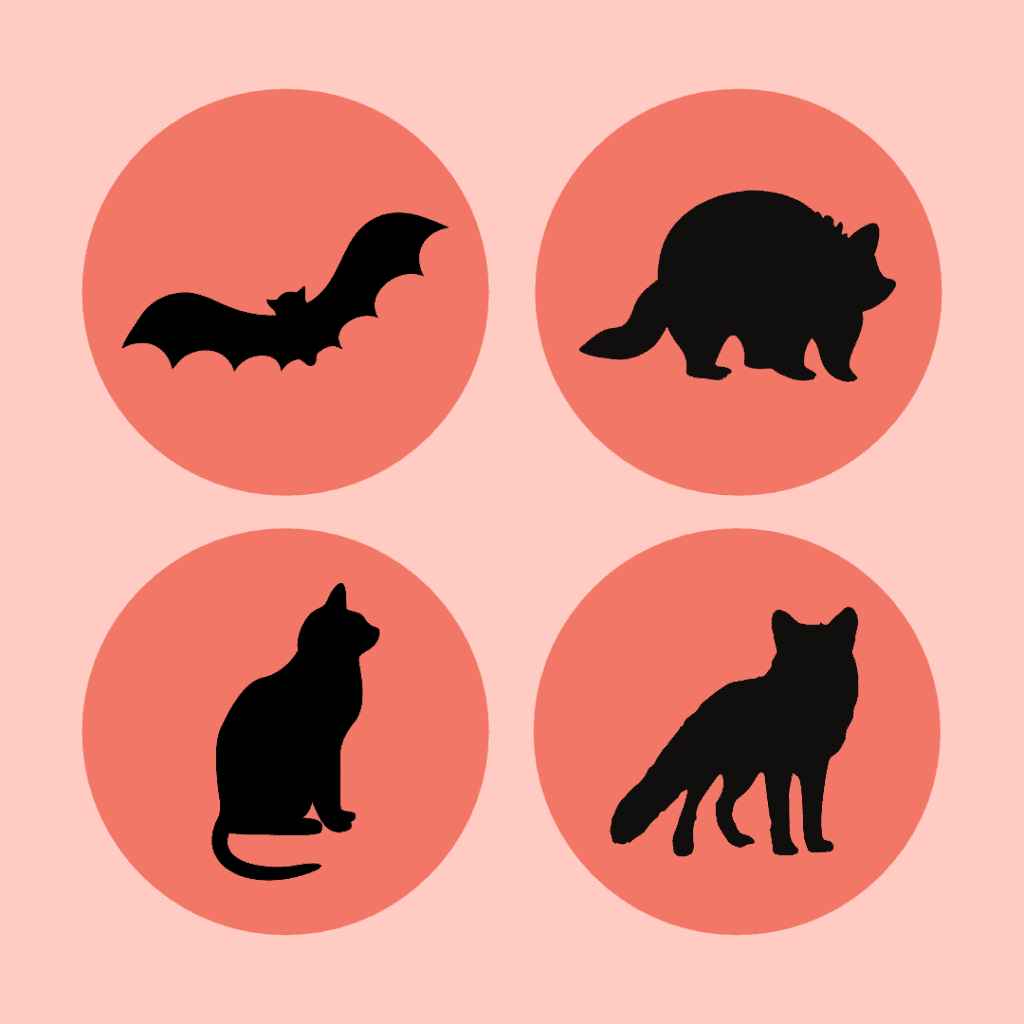
Nice weather and outdoor activities increase the likelihood of encounters with wild animals. It is important to remain aware of your surroundings when outdoors, avoid unfamiliar and/or wild animals, and know what to do if you are scratched or bitten by any animal.
What is Rabies?
Rabies is a 99% fatal but 100% preventable viral disease that can spread to people and pets if bitten or scratched by a rabid animal. Left untreated, the rabies virus infects the central nervous system, which causes disease in the brain, ultimately resulting in death.
How is Rabies Transmitted?
Rabies is transmitted between mammals. Dogs, cats, raccoons, bats, skunks, and foxes are the most common mammals known to have rabies. It is spread via direct contact (such as through broken skin or mucous membranes in the eyes, nose, or mouth) with saliva or brain/nervous system tissue from an infected animal.
Typical transmission is from the bite of a rabid animal. People can also get rabies from non-bite exposures, which can include scratches, abrasions, or open wounds that are exposed to saliva or other potentially infectious material from a rabid animal. Both bite and non-bite exposures should be reported. All animal bites are required to be reported to the Public Health Department.
Avoid Stray Animals & Wildlife
For the health and safety of your pets and yourself, stay away from wild animals, like stray cats, stray or unknown dogs, and baby animals.
- Never feed or approach a wild/stray animal.
- Keep your pets from interacting with wildlife/strays.
- Report suspicious animals to Animal Control.
How is Rabies Prevented?
Transmission of rabies can be prevented by
- Vaccinating your pets and livestock, and keeping their vaccine status up-to-date.
- Keeping your pets from interacting with wildlife.
- Avoiding stray cats, dogs, or wildlife.
- Seeking medical care if a bite or scratch occurs.
- Pre-exposure vaccines; an option for individuals at an increased risk, such as staff at veterinary clinics.
What to do if You get Bitten or Scratched:
- Wash any wounds immediately with soap and water, and then seek medical treatment.
- Contact your local Animal Control Agency. If the attacking animal is wild or a stray, your local animal control can try to locate the animal, which may be eligible for rabies testing.
- Gwinnett Animal Control: 770-339-3200
- Newton Animal Control: 770-786-9514
- Rockdale Animal Control: 770-278-8403
- Contact your local Health Department to report the bite/scratch so that an epidemiologist can discuss with you whether post-exposure prophylaxis (a rabies-preventing vaccine) is needed. Our epidemiology department is available:
- Every Monday through Friday, 8 AM to 5 PM – Call 770-339-4260
- Weekdays after 5 PM & Weekends (for public health emergencies)– Call 404-323-1910 or 866-PUB-HLTH
- Follow the guidance provided by the Georgia Department of Public Health and Animal Control.